
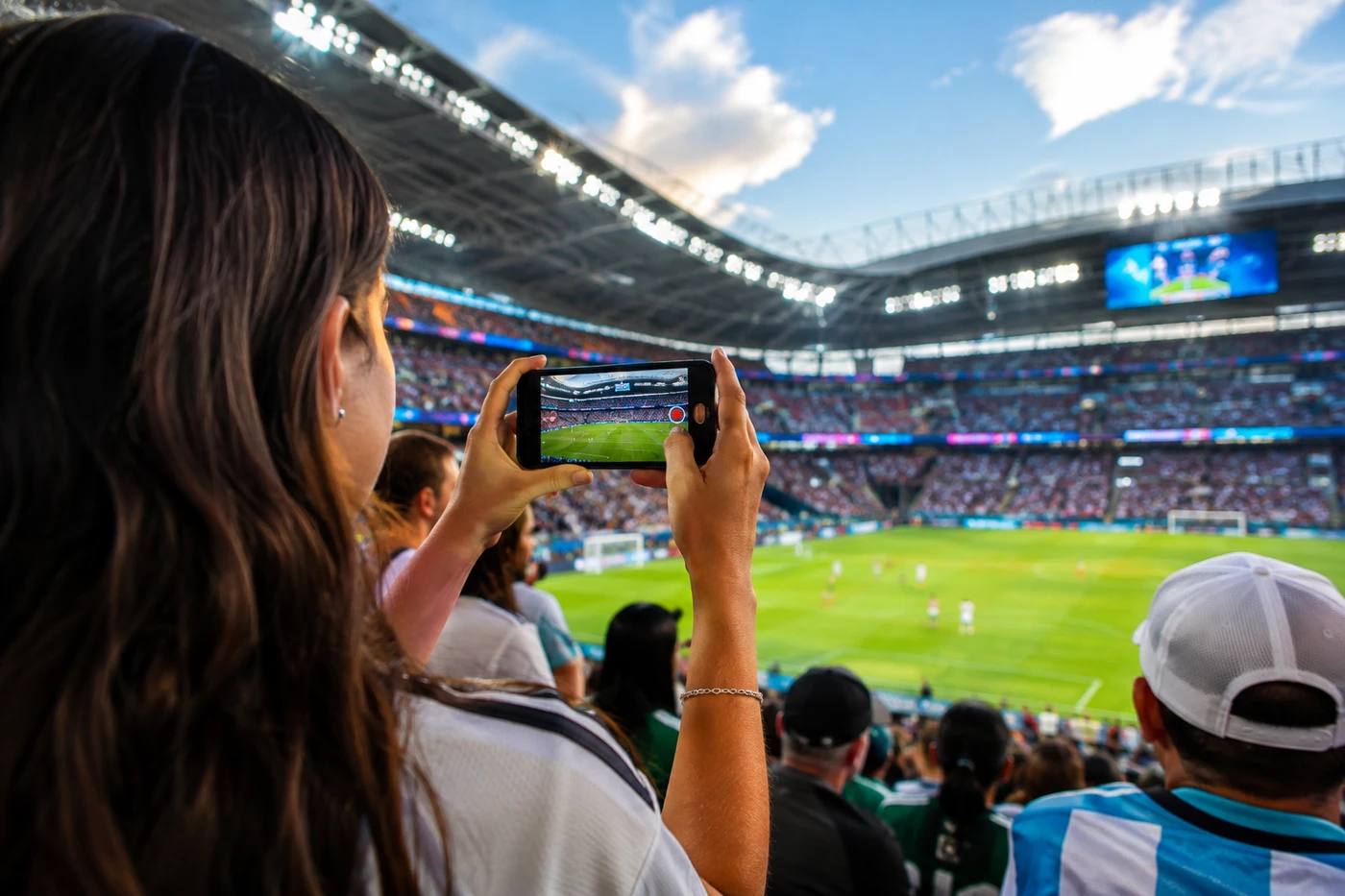
World Cup Creators Turned Access Into the 2026 Story
World Cup creators drove billions of views around the 2026 tournament, proving that access, multi-format storytelling and behind-the-scenes coverage can rival traditional sports media.
The biggest creator story from the 2026 World Cup wasn't one viral celebration or a footballer gaining millions of followers.
It was access. The locked door opened - a little - and creators pulled enormous audiences through it.
The gate opened
FIFA named TikTok its first "Preferred Platform" in January, then added YouTube in March. The deals gave selected creators access to training sessions, press conferences, archive footage and the bits around matches that traditional coverage usually treats as leftovers.
Those leftovers did serious numbers.
According to YouTube's tournament report1, more than 1.7 billion people watched World Cup-related videos on the platform. Over 550 million watched on televisions, which should finally kill the idea that YouTube means teenagers squinting at phones.
YouTube's official creator group, with a combined 350 million subscribers, generated more than 2.5 billion views. The final between Spain and Argentina reached a peak of over 27 million concurrent viewers across official YouTube broadcasts.
Meanwhile, TikTok reported2 24.1 billion views on the official World Cup account by July 16. Nearly 20 million tournament-related videos had been posted, while broadcaster livestreams collected 465 million unique views. TikTok also placed 30 creator correspondents from 22 countries inside the event.
Then there's CazéTV. The Brazilian creator-led channel streamed all 104 matches free inside Brazil. Its Spain-France broadcast peaked above 23 million simultaneous viewers, setting a new YouTube livestream record, according to YouTube Brazil3.
Platform-reported numbers deserve the usual raised eyebrow. But these are too large to dismiss with a cynical little shrug.
The real win
Creators didn't replace the match. They built everything around it: reactions, tactical explanations, city guides, player stories, fan chaos and behind-the-scenes clips.
That's the lesson. The live event owns the moment; creators own the meaning around the moment.
It also changes distribution. One idea can become a livestream, a fast reaction, a Short, a breakdown and a TV-friendly long video. Different formats, different viewing habits, same story. Much better than dumping the identical vertical clip everywhere and calling it a strategy.
For rights holders, creators have become audience infrastructure. For creators, access is becoming a competitive moat. Not follower count alone. Access, timing and trust.
Your move
Build around events. Pick three moments your audience already cares about this year. Prepare formats before everyone starts shouting.
Cover the edges. The main event is crowded. Explain the people, rituals, business and drama surrounding it.
Design for every screen. Short clips earn discovery. Longer videos build authority. Livestreams build community.
Ask for access early. Contact organizers, sponsors and broadcasters months ahead. Credentials rarely appear because you sent a charming email on Tuesday.
The creator opportunity isn't "become ESPN." It's becoming the voice people choose once the official camera stops rolling.
- 1blog.youtubeYouTube's tournament report
- 2newsroom.tiktok.comTikTok reported
- 3blog.youtubeYouTube Brazil
Discussion
Join the discussion — share what's working for your channel.
No comments yet — say what's working for your channel.