
AI
Written with AI from 3 sources, without human review. Model: gpt-5.6-sol.Disney's Zach King Deal Shows Creators Are Becoming Programming
Disney's Zach King partnership reveals how streaming platforms are turning creator audiences into programming, while creators build repeatable formats, protect ownership and monetize their process.
Published by Web2Labs. Report an error in this article
The streaming giants used to buy shows. Now they're buying access to the people audiences already watch.
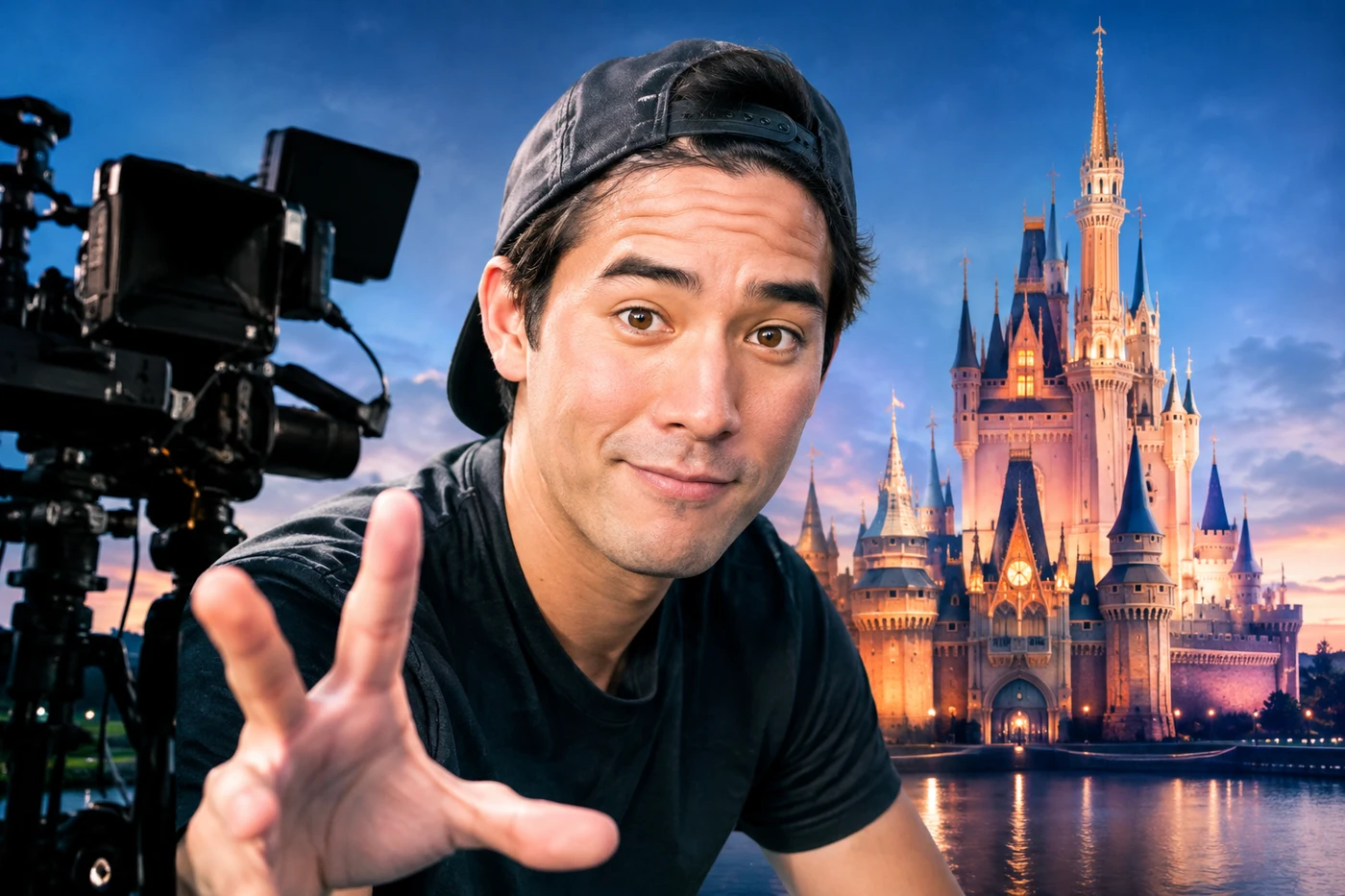
Disney's deal with Zach King isn't enormous by Hollywood standards. Ten shorts. One existing film. Some behind-the-scenes content. But the signal is loud: creators are no longer the marketing department. They're becoming the programming.
The deal
Disney and King announced the partnership on November 18. King will produce 10 original illusion shorts that Disney gets exclusive distribution rights to, including on Disney+. He'll also create videos inspired by Hexed, Star Wars and other Disney properties for the streamer and his own channels.
Disney is also bringing Cardboard Wars, King's 52-minute homemade-style tribute to the original Star Wars, to Disney+. King released the project on YouTube earlier in 2026.
There's a useful wrinkle here: Disney wants the making-of material too. King will appear on its social accounts explaining his editing, visual effects and production tricks. In other words, the polished film attracts viewers; the process content keeps feeding the internet.
Tubefilter first reported the deal's details1, including King's roughly 43 million YouTube subscribers and an estimated 175 million monthly views. Disney says his total following across platforms exceeds 185 million. Financial terms and release dates weren't disclosed in Disney's announcement2.
The bigger fight
King isn't an isolated signing. Disney has recently struck creator partnerships with Dude Perfect, Dhar Mann, Like Nastya and Gracie's Corner. It also plans to bring approved TikTok videos into Disney+.
Netflix has been courting YouTubers as well, while YouTube has reportedly discussed payments and other incentives to keep major talent from giving rivals exclusive access. Everyone wants creator-native formats because audiences have already done the expensive part: changing their viewing habits.
YouTube says more than half of its top 100 creators now get most of their viewing on television screens. Its microdramas passed 6.5 billion views during the first half of 2026, according to YouTube's own figures3.
Don't read this as "Hollywood finally respects creators." Read it as "distribution companies have noticed where the attention went." Respect is lovely. Leverage pays invoices.Your next move
Build formats, not random uploads. A repeatable show, character or visual language is easier to carry onto another platform than a channel held together by whatever felt interesting on Tuesday.
Keep ownership questions painfully clear. Exclusive distribution, licensing, remake rights and access to your back catalogue are different things. A glamorous logo doesn't make vague contract language less dangerous.
Finally, document your process. Disney didn't only buy King's illusions; it wants the story of how he makes them. Your workflow can become a second format, another audience entry point and, eventually, another product.
The opportunity isn't to become television. Television is busy becoming you.
- 1tubefilter.comTubefilter first reported the deal's details
- 2thewaltdisneycompany.comDisney's announcement
- 3blog.youtubeYouTube's own figures
Discussion
Join the discussion - share what's working for your channel.