

AI
Written with AI from 3 sources, without human review. Model: gpt-5.6-sol.YouTube Co-Viewing: Why More Public Views May Not Mean More Money
YouTube's TV co-viewing system can add estimated viewers to public view counts, but not creator earnings. Learn how to interpret the change and report reach accurately.
Published by Web2Labs. Report an error in this article
Your YouTube views may start looking healthier. Your bank account won't.
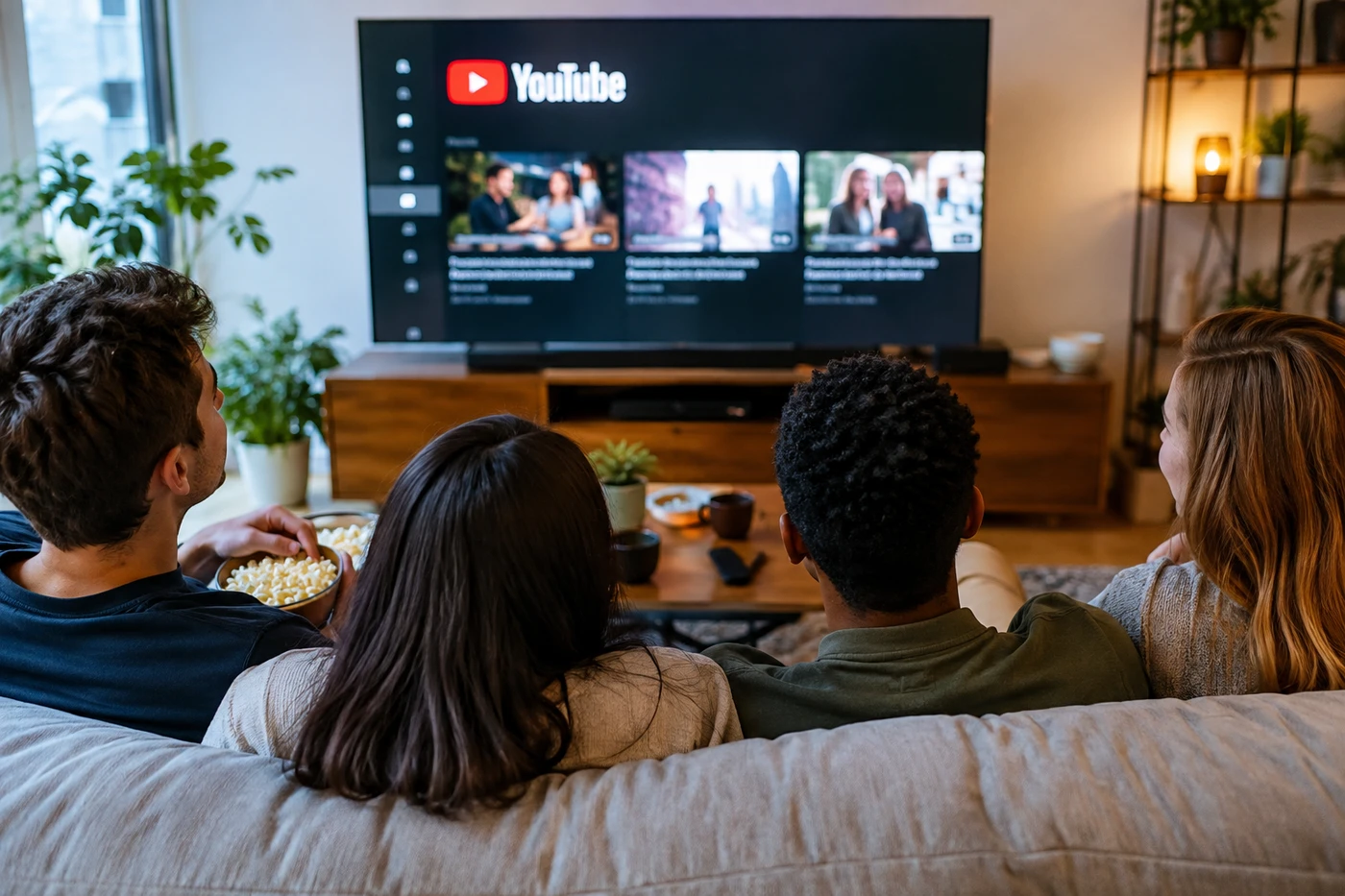
That's the awkward bit behind YouTube's new co-viewing system: one playback on a television can now become several public views when the platform estimates that several people watched together.
A bigger number is nice. Just don't confuse a nicer scoreboard with more money.
The couch counts
As Creator Handbook reported1 on November 25, YouTube has begun adding estimated TV co-viewers to the number shown beneath videos.
If a family watches your upload on one television, YouTube might count three viewers rather than one playback. The change covers long-form videos, Shorts and livestreams viewed on TV screens. Phones, tablets and computers still count individual plays.
YouTube isn't secretly checking the sofa. Its model uses signals including viewing time, audience patterns and the type of content being played. The company says cameras, microphones and device sensors aren't used.
The important small print sits in YouTube's own analytics documentation2: co-views affect public totals, but YouTube Partner Program earnings and eligibility still rely on qualified views and engaged watch time. Public views and paid views are no longer quite the same animal.
Views got fuzzier
This isn't a random cosmetic tweak. YouTube is a television platform now, whether creators still think of it that way or not. Nielsen measured YouTube at a record 15.8% of all US television viewing in August 2026, ahead of Disney and Netflix in its Media Distributor Gauge. Nielsen published the figures3 in October.
For TV-heavy channels, public views could rise without an equal jump in comments, clicks, subscribers or revenue. Suddenly your comment rate looks weaker. Your sponsor conversion rate may look weaker too. Nothing necessarily broke; YouTube changed the ruler.
There is an upside. Estimated co-viewing gives entertainment, kids, sports, podcasts and event creators a better story for sponsors. One account may represent several actual eyeballs. Useful, yes. Exact? Nope.
Check your sofa strategy
Open YouTube Studio and compare your device data, co-view rate and engaged metrics. Record the date of the change in your reporting sheet so November doesn't become a fake growth miracle.
For sponsorships, separate public reach from engaged views, clicks and conversions. Mention co-viewing when it strengthens the pitch, but label it as YouTube's estimate. Grown-up numbers beat shiny numbers.
Finally, watch one of your videos on an actual television. Can viewers read the graphics? Does the opening work from across the room? Is the audio clean without headphones? The couch is becoming part of your audience. Create accordingly.
- 1creatorhandbook.netCreator Handbook reported
- 2support.google.comYouTube's own analytics documentation
- 3nielsen.comNielsen published the figures
Discussion
Join the discussion - share what's working for your channel.