
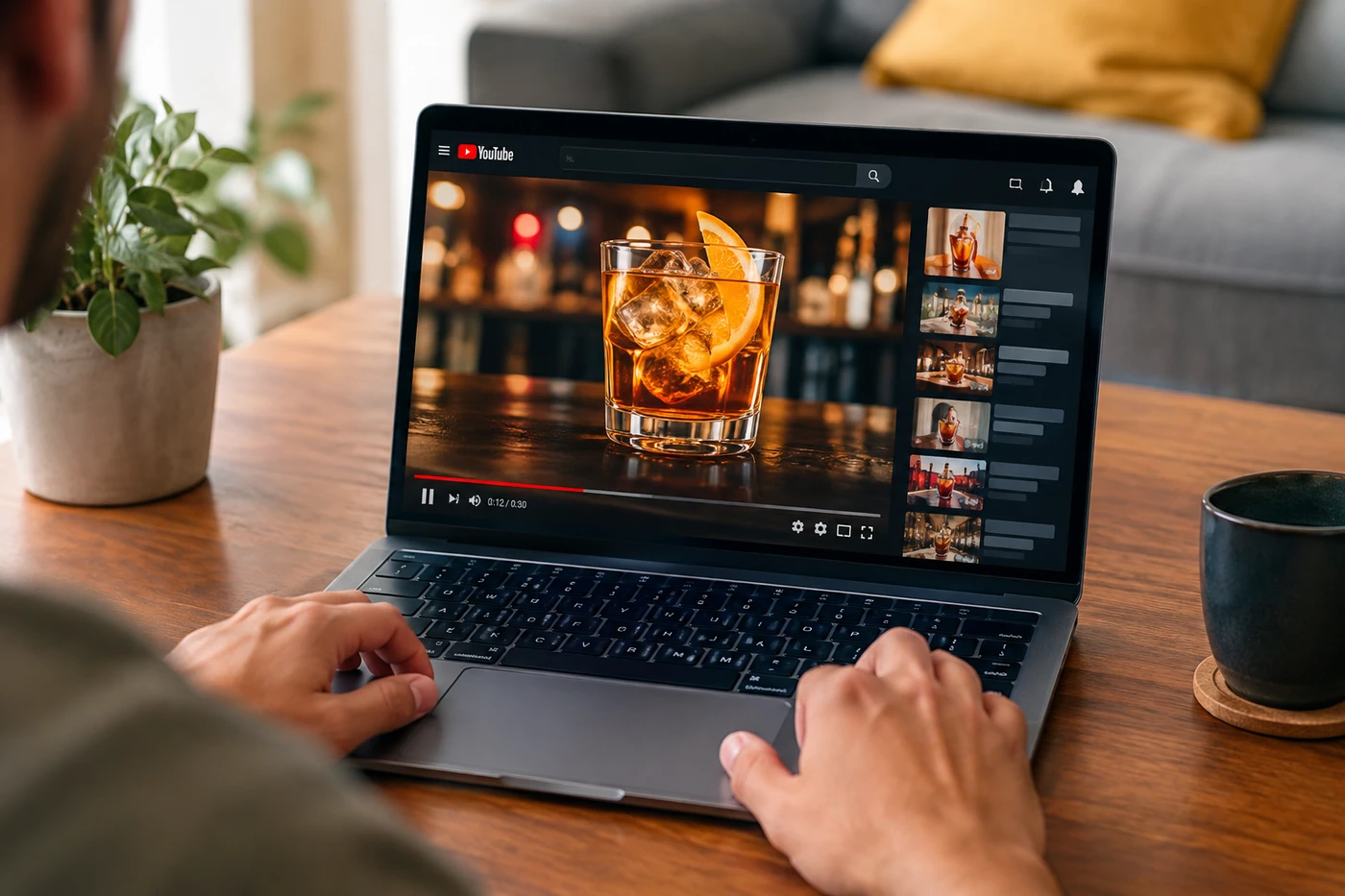
Alcohol Ad Targeting on YouTube: A New Opening for Creators
Google's 2026 alcohol ad targeting policy could bring more advertisers to eligible YouTube creators while limiting data use, excluding minors and requiring careful sponsorship decisions.
Your next mid-roll may know you're into craft beer. Not because you whispered "IPA" near your phone - relax - but because Google is loosening one of its ad-targeting rules.
For creators with adult audiences, this could bring fresh advertisers into the auction. It could also bring awkward sponsorship emails. Probably both.
The tap opens
Google announced on September 3 that, starting October 30, 2026, alcohol advertisers will be allowed to use personalization across YouTube inventory where local rules permit it. The change covers alcoholic drinks, related products and alcohol alternatives. Google's policy notice1 is short, but the shift isn't. (support.google.com1)
This doesn't mean a liquor company can upload its customer database and chase people around YouTube. Alcohol remains a sensitive category. Advertisers may use Google-built audience groups - including affinity, in-market and some demographic segments - but not Customer Match, their own data lists or lookalike audiences. (support.google.com2)
Minors remain excluded from personalized advertising. Advertisers also can't target people using health information connected to alcohol. Egypt, India, Indonesia and Poland aren't included in the October rollout.
Viewers can still ask Google to limit alcohol ads through My Ad Center. "Limit" isn't the same as "never show me one," naturally. Platforms do enjoy a carefully chosen verb.
The money bit
Better targeting makes YouTube less wasteful for drinks brands. That matters because brands don't merely buy channels; they buy audiences. A barbecue creator watched mostly by adults in Texas suddenly looks more useful than a broad entertainment channel with the same view count.
More eligible advertisers could increase competition for adult inventory. That may help ad rates in suitable niches, although Google hasn't announced any creator payout changes. Don't start pricing the yacht.
A policy change isn't income. It's an opening. You still need the audience, the positioning and a deal that doesn't make your viewers roll their eyes.
The larger play is sponsorships. YouTube's Creator Partnerships system now sits inside Studio and Google Ads, connecting advertisers with more than three million Partner Program creators. YouTube says creators who shared additional channel insights appeared 60% more often in brand searches. (blog.youtube3)
TikTok already permits some alcohol advertising with explicit approval, legal-age targeting and regional restrictions. YouTube is now giving the category stronger targeting without opening every data drawer. (ads.us.tiktok.com4)
Your move
First, check your audience-age breakdown in YouTube Analytics. If most viewers are below legal drinking age, this story isn't your opportunity. It's your warning label.
If your audience is adult-heavy and the fit is natural - food, travel, sports, hospitality, cocktails - tighten your media kit. Include age, location and recent campaign results. Brands will need evidence, not "my community is super engaged."
Finally, set boundaries before offers arrive. Decide whether alcohol sponsorships suit your channel, which products you'd reject and how you'll handle disclosures. Easy money gets expensive when audience trust picks up the bill.
- 1support.google.comGoogle's policy notice
- 2support.google.com
- 3blog.youtube
- 4ads.us.tiktok.com
Discussion
Join the discussion — share what's working for your channel.
No comments yet — say what's working for your channel.