
TV Audience Shift: How YouTube Creators Can Adapt
The TV audience shift is taking YouTube beyond phones, as Nielsen reports a 15.8% share of U.S. TV viewing. Get practical guidance on designing videos for living rooms.
Published by Web2Labs. Report an error in this article
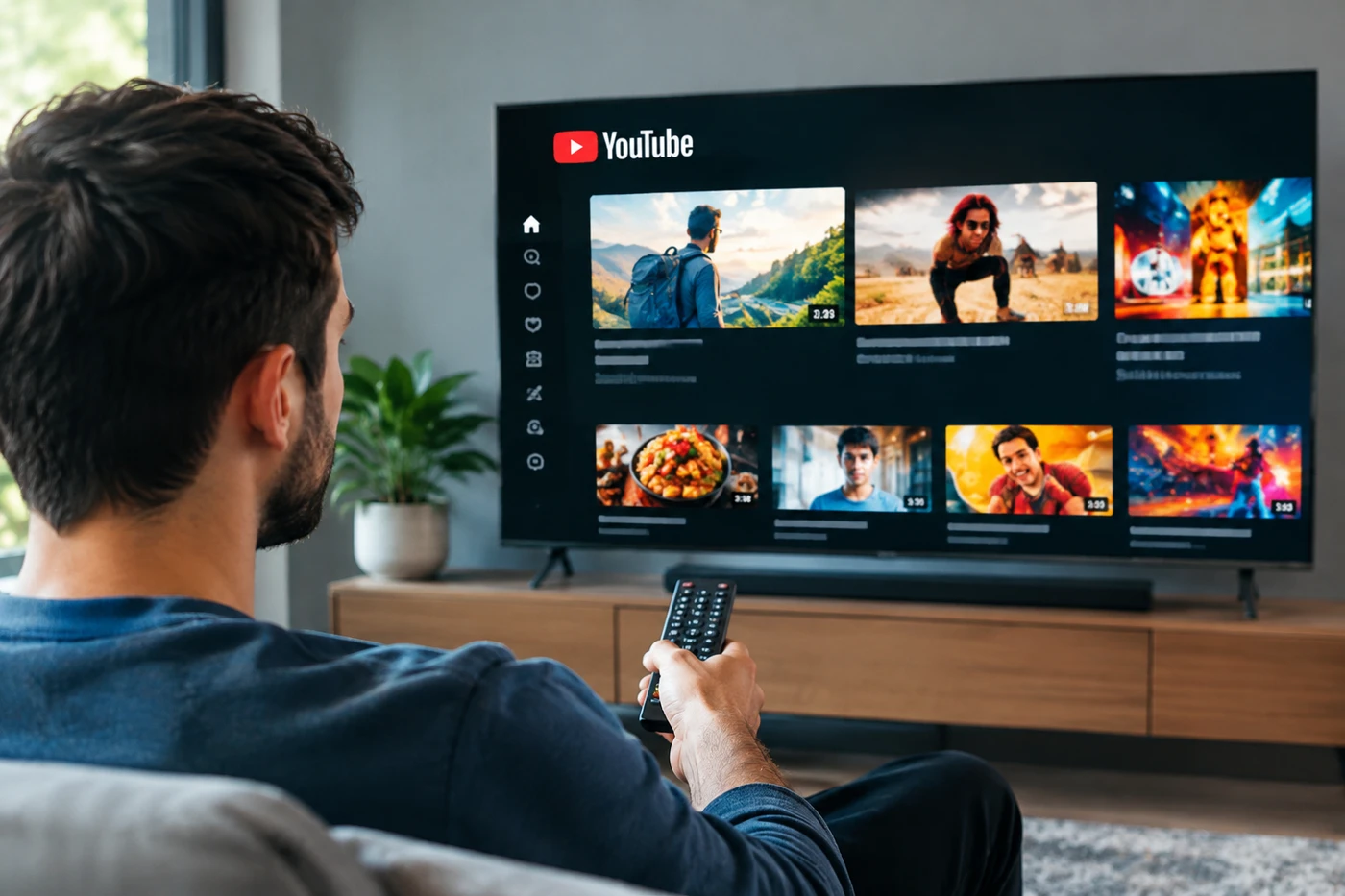
YouTube isn't merely competing with television anymore. It's eating television while half the creator economy is still designing videos for a six-inch phone.
That gap is either your problem or your opportunity. Usually both.
The couch moved
YouTube captured a record 15.8% of all viewing on U.S. television screens during Nielsen's August 2026 measurement period, according to reporting from Tubefilter1.
The underlying Nielsen data2 makes the jump look even less accidental. YouTube viewing increased 6% from July, despite total TV usage falling 4.4% after the World Cup and during the usual back-to-school slowdown.
Streaming took 49.6% of TV time overall. YouTube led every media distributor. Disney finished second at 9.3%, while Netflix reached 7.7%.
The surprise wasn't teenagers refusing to go outside. Viewing among 6-to-17-year-olds dropped. Adults aged 50 and older drove YouTube forward with a 9% monthly increase.
Creators spent years chasing young thumbs. Meanwhile, Mum and Dad found the remote.This changes the job
A television viewer behaves differently. They're farther from the screen, less likely to type a comment and considerably less impressed by your microscopic captions. But they may settle in for longer videos, series and podcasts.
YouTube already said TV had overtaken mobile as its biggest U.S. viewing device by watch time. In September, the company added another useful number: more than half of its top 100 creators now get their largest audience through televisions3.
That's distribution. It's also money. Living-room viewing gives YouTube more premium ad inventory and gives creators room for longer sessions, memberships and episodic formats. The awkward bit: conversion is harder. Clicking links, scanning descriptions and buying something require effort from a sofa.
Creator discussions reflect that split. Plenty report strong TV watch time but weaker comments and clicks. Passive doesn't mean uninterested. It means the viewer's hands are busy holding crisps.
Build for ten feet away
First, check YouTube Studio's device report. Don't redesign your channel because of a trend article. Redesign it because 35% of your own audience is watching beside a houseplant.
Next, test every upload on an actual television. Bigger text. Cleaner thumbnails. Fewer tiny interface screenshots. Audio that works through mediocre built-in speakers. If viewers need binoculars, you've lost.
Package related videos as episodes and make the next choice obvious. Strong verbal calls to action matter more when clicking is annoying. For sponsors or products, use short URLs or readable QR codes instead of begging viewers to inspect the description.
And don't confuse "TV-ready" with expensive. Better structure beats another camera. A clear opening, chapters that feel intentional and an ending that naturally starts the next episode. Very old-school television, really. Just without asking permission from a network executive.
- 1tubefilter.comreporting from Tubefilter
- 2nielsen.comNielsen data
- 3blog.youtubemore than half of its top 100 creators now get their largest audience through televisions
Discussion
Join the discussion - share what's working for your channel.