
Kai Cenat's Vivet: How Streaming Became Luxury Fashion
Kai Cenat's luxury fashion label Vivet turns a massive streaming audience into an owned product, while its runway launch reveals what creators must get right beyond the first sale.
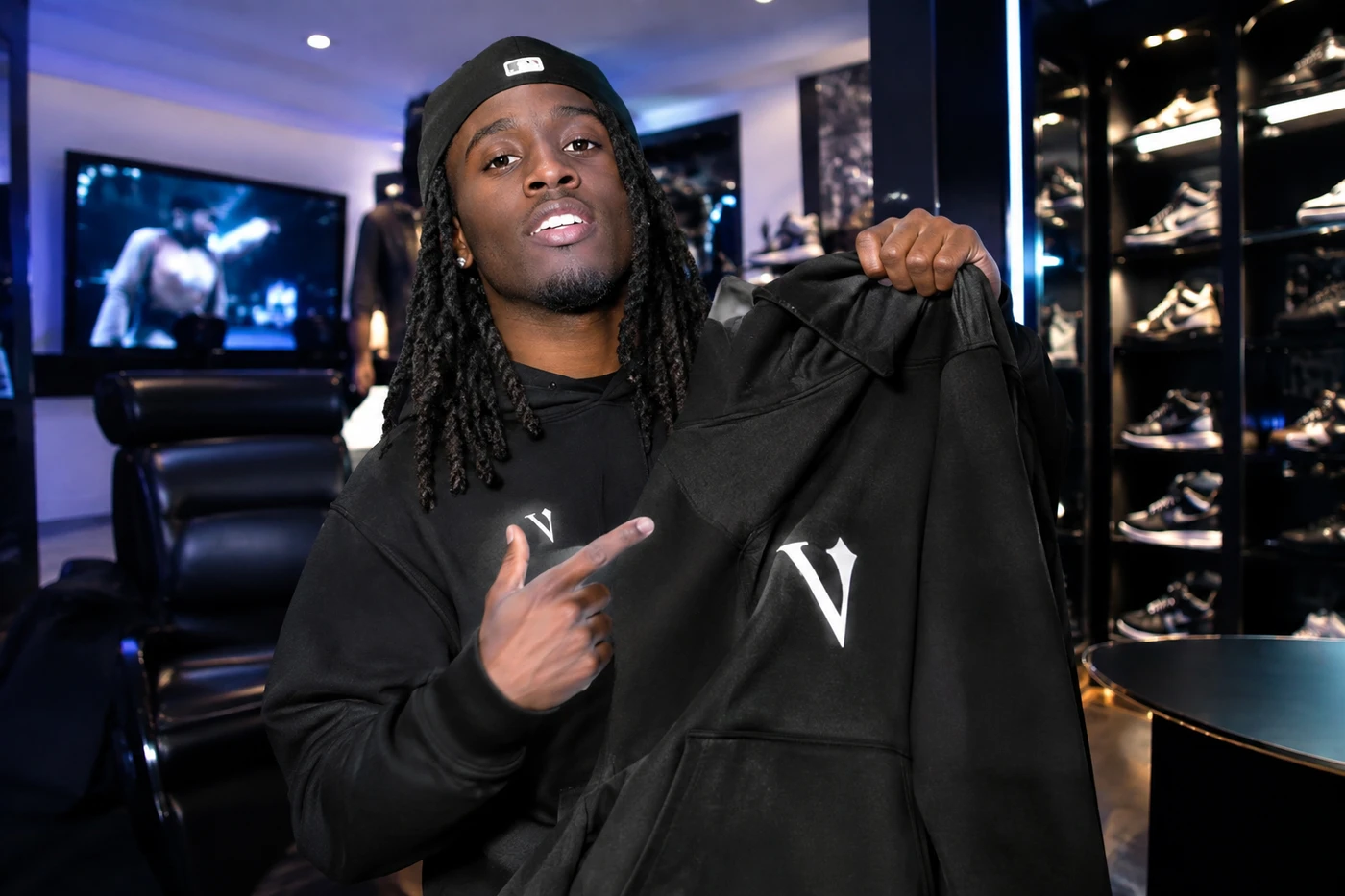
Kai Cenat didn't launch another hoodie with his logo slapped across the chest. He built a luxury label, took it to New York Fashion Week and made the runway itself into content.
That distinction matters. Creator merch sells belonging. Vivet is trying to sell taste. Much harder game.
The runway
On September 12, Cenat debuted Vivet's first collection at Cipriani in Lower Manhattan. The three-part show moved from oversized hoodies into leather, denim, tailored pieces, footwear and bags. Models included Alton Mason, while Duke Dennis, Ray Asianboy and BruceDropEmOff helped connect the fashion production back to Cenat's streaming world.
The show reportedly pulled more than 180,000 live viewers across platforms. That's the unfair advantage traditional labels would happily steal: Cenat arrived with distribution already installed.
He'd spent roughly nine months learning garment production, including time with specialists in Italy, after stepping away from regular streaming. Cenat has also said he rejected outside investment and kept full ownership.
Selected pieces went on sale immediately. This isn't cheap fan gear. The Vivet store1 lists a $160 hoodie, a $550 streaming backpack and a leather jacket at $1,195.
That pricing has brought heat. Online reactions range from genuine support to complaints that the collection borrows too heavily from Yeezy, Rick Owens and Demna-era silhouettes. Others argue that some criticism has less to do with the clothes and more to do with fashion's old guard disliking a streamer walking through the front door. The split is captured well in Dazed's breakdown2.
This isn't merch
Cenat has more than 20 million Twitch followers, according to Guinness World Records3. Usually, that audience gets rented to sponsors. Vivet points the traffic toward an asset he owns.
That's the creator lesson hiding behind the fur coats.
Your channel gives you attention. A real product turns that attention into something less dependent on algorithm mood swings, ad rates and platform rules. But "real" is doing heavy lifting here. Customers paying $500 won't forgive weak quality because they enjoyed your last stream.
Your audience can get you the first sale. Only the product earns the second.
Cenat also treated the launch as a story, not a checkout page. The hiatus, Italy trip, design journals, celebrity runway and livestream became one long piece of world-building. Even the criticism feeds distribution. Annoying, yes. Effective, also yes.
Build before you drop
First, find the product category your audience already associates with you. Don't launch hot sauce because creators apparently develop a medical need to own condiments.
Second, document the work. Prototypes, mistakes, supplier visits, ugly early versions. Process creates trust before the sales page appears.
Third, price against the product you actually made, not your follower count. Luxury pricing invites luxury-level inspection.
And keep ownership where possible. Sponsors pay for a moment. Products, customer lists and intellectual property can keep paying after the stream ends.
- 1vivetofficial.comVivet store
- 2staging.dazeddigital.comDazed's breakdown
- 3guinnessworldrecords.comGuinness World Records
Discussion
Join the discussion — share what's working for your channel.