
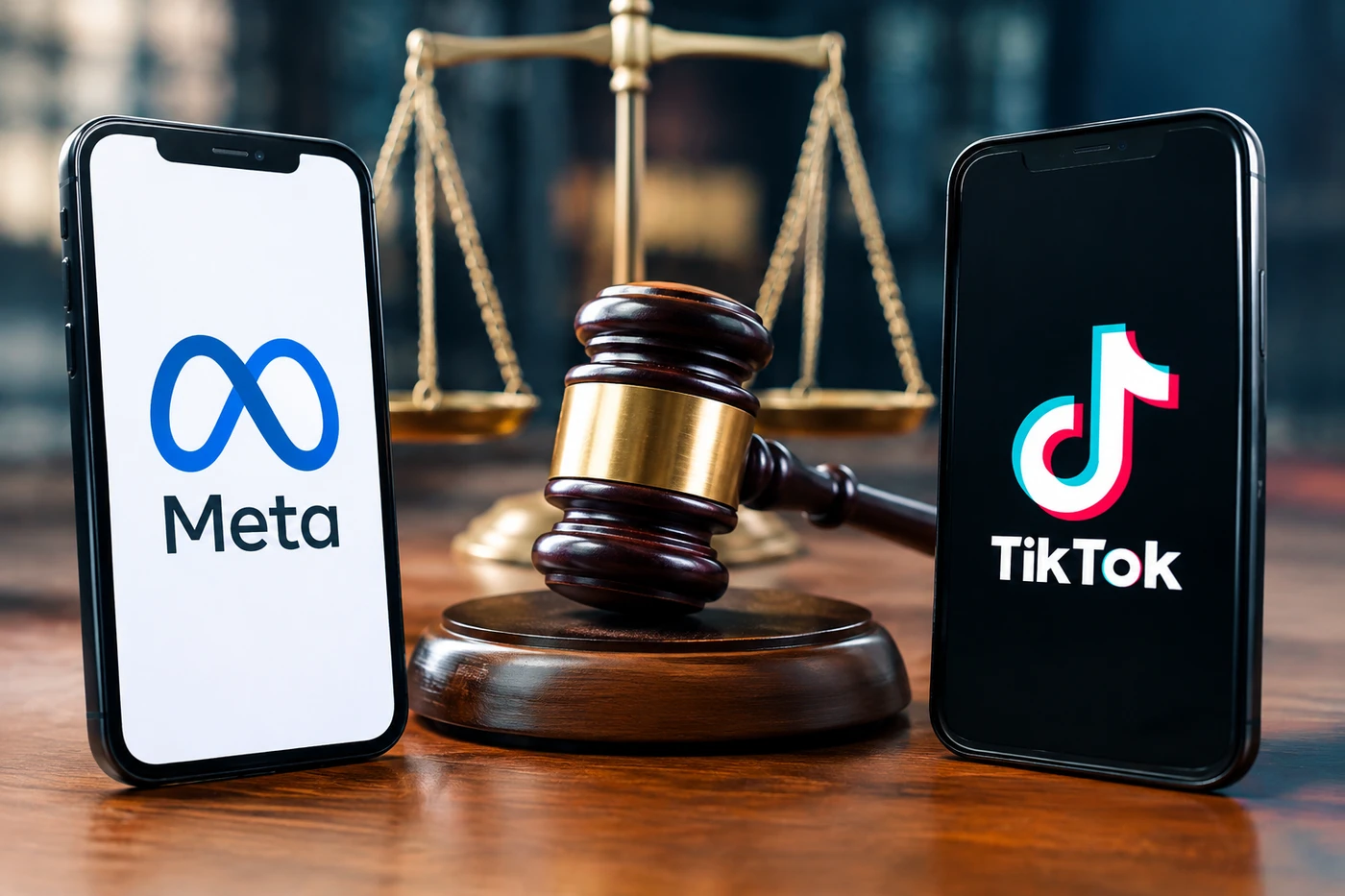
Section 230 Platform Liability: Why Meta and TikTok Face Court
Section 230 platform liability is entering a new phase as courts examine whether recommendations, autoplay and other design choices can expose Meta and TikTok to addiction claims.
The algorithm isn't just your unpredictable boss anymore. Courts are increasingly treating platform design as something companies may have to answer for.
That doesn't mean Section 230 is dead. It means Meta and TikTok couldn't use it to leave thousands of addiction cases before the real fight begins. Small distinction. Large headache.
The shield stays. The shortcut doesn't
On August 10, the Ninth Circuit dismissed appeals from Meta and TikTok1. The companies wanted claims against them thrown out early, arguing Section 230 protected them from being sued over content posted by users.
The judges said Section 230 can provide a defense against liability, but it isn't automatic immunity from entering court. The cases can continue. The ruling didn't decide whether the platforms are ultimately responsible, and some claims may still be blocked later. (cdn.ca9.uscourts.gov1)
Quick myth cleanup: Section 230 doesn't depend on a platform promptly answering takedown notices. That's closer to copyright's DMCA system. Section 230 generally protects services from being treated as the publisher of somebody else's post and gives them room to moderate.
The legal pressure has been building. In 2024, another appeals court allowed a case involving TikTok's recommendation of deadly "Blackout Challenge" videos to proceed, reasoning that the recommendation itself was TikTok's activity. (law.justia.com2)
Then, on March 25, 2026, a Los Angeles jury found Meta and YouTube liable3 in a separate youth addiction case and awarded $6 million. Both companies disputed the verdict. (apnews.com3)
The feed is now evidence
The dangerous question for platforms is shifting from "Who uploaded this?" to "Why did your system keep pushing it?"
That touches recommendations, autoplay, notifications, streaks and every other tiny hook engineered to steal one more minute. Creators live downstream from those choices. If legal teams gain more influence over ranking systems, expect extra caution around youth content, risky challenges and aggressive engagement tactics.
Mentor note: Don't build a business around exploiting a loophole in somebody else's attention machine. The loophole always closes. Usually while you're on vacation.There's another side. Weakening Section 230 too far could make smaller communities reject uploads, comments and controversial creators simply because they can't afford courtroom roulette. Legal scholars have warned that large companies can absorb that risk far more easily than new platforms. (cyberlaw.stanford.edu4)
Your next move
Audit the hook
Review titles, thumbnails and challenges aimed at younger viewers. "But it performed well" is not a safety policy.
Own your audience
Keep building email, memberships or direct sales. Distribution rules can change long before any law does.
Save the receipts
Document sponsorship briefs, safety checks and edits. Boring folders become lovely when questions arrive.
Watch product changes
New friction in recommendations may look like an algorithm slump. Sometimes it's the legal department quietly entering the chat.
- 1cdn.ca9.uscourts.govdismissed appeals from Meta and TikTok
- 2law.justia.com
- 3apnews.comfound Meta and YouTube liable
- 4cyberlaw.stanford.edu
Discussion
Join the discussion — share what's working for your channel.
No comments yet — say what's working for your channel.