
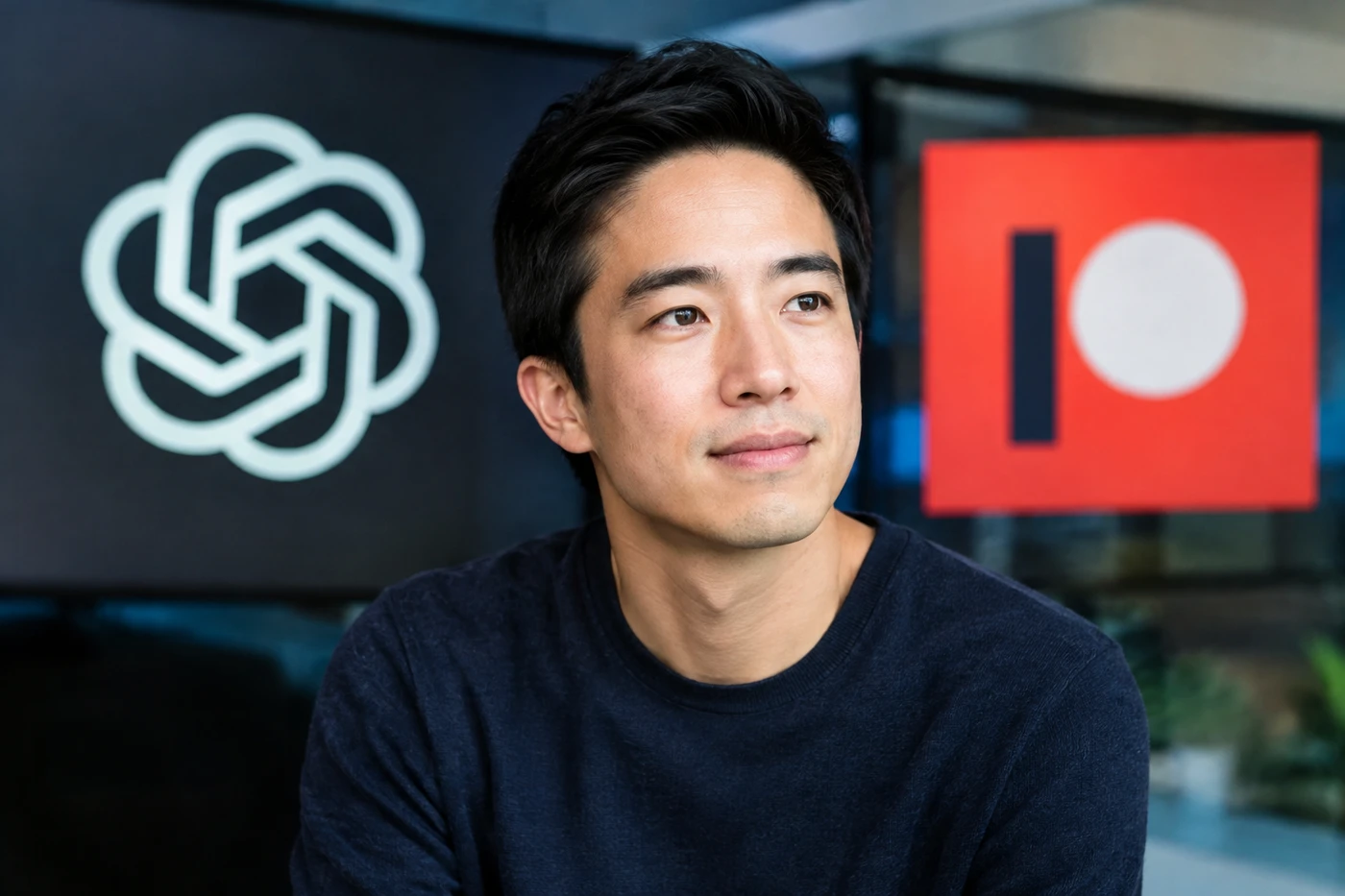
Creator Product Division: Why OpenAI Hired Patreon's Sam Yam
OpenAI's new Creator Product division, led by Patreon co-founder Sam Yam, could target creator communities, audience ownership and recurring revenue - not just faster content production.
OpenAI doesn't merely want to help you make content. It's assembling a team that understands how creators build communities - and get paid.
No product has been announced yet. Good. That means we can examine the move without pretending every executive hire is a revolution wearing a lanyard.
OpenAI raids Patreon
Patreon co-founder Sam Yam has joined OpenAI to lead a new Creator Product division. He's bringing Drew Rowny, Patreon's former product chief, and Shannon Ma, its former engineering head.
That's a proper product team, not one "creator partnerships" person sending influencers free tote bags.
Yam helped start Patreon with Jack Conte in 2013 and spent more than 13 years building it. Patreon now reports more than 300,000 creators, 10 million paying fans each month and over $10 billion sent to creators. That track record matters more than the shiny new job title. Patreon's current numbers1 tell the story. (patreon.com1)
Yam says the team will develop tools alongside creators and offer early access. Exactly what they're making remains unknown. He pointed toward OpenAI DevDay2, scheduled for September 29 in San Francisco. That's two days from now - not a launch that has already happened. (openai.com2)
The real prize
The obvious guess is better production software: research, scripting, images, audio, editing, perhaps agents handling repetitive workflow sludge.
But hiring Patreon's founding technologist suggests a bigger target. OpenAI may want a place where creators package expertise, serve communities or sell access - not merely generate another thumbnail.
Creation is getting cheaper. Trust isn't. Neither is distribution. Don't confuse those three.The competition has noticed. Google signed a multi-year partnership with MrBeast earlier this month to put Gemini inside his creative process and videos. Meanwhile, Adobe's 2026 creator survey found that 75% of respondents who had tried creative AI considered it integrated or essential to their workflow. Yet 85% still wanted the final creative call left to humans. Fair request, really. Adobe's findings3 show where the line is forming. (blog.google4)
The mood among creators is therefore curious, not blindly cheerful. Faster production is useful. More synthetic competition, uncertain training rights and dependency on another platform? Less charming.
Your move
Watch the business model. A clever generator saves hours. A product offering discovery, customer ownership or recurring revenue could reshape your business. Those aren't the same thing.
Keep your audience portable. Continue collecting email addresses and owning your customer data. Don't hand a new platform the keys because its first demo looks expensive.
Audit your weekly grind. Write down the three tasks stealing the most time - research, rough cuts, repurposing, admin. If OpenAI reveals creator tools on September 29, judge them against that list. Not the stage applause.
Use AI to remove chores. Keep the taste, the relationship and the final decision for yourself.- 1patreon.comPatreon's current numbers
- 2openai.comOpenAI DevDay
- 3news.adobe.comAdobe's findings
- 4blog.google
Discussion
Join the discussion - share what's working for your channel.