
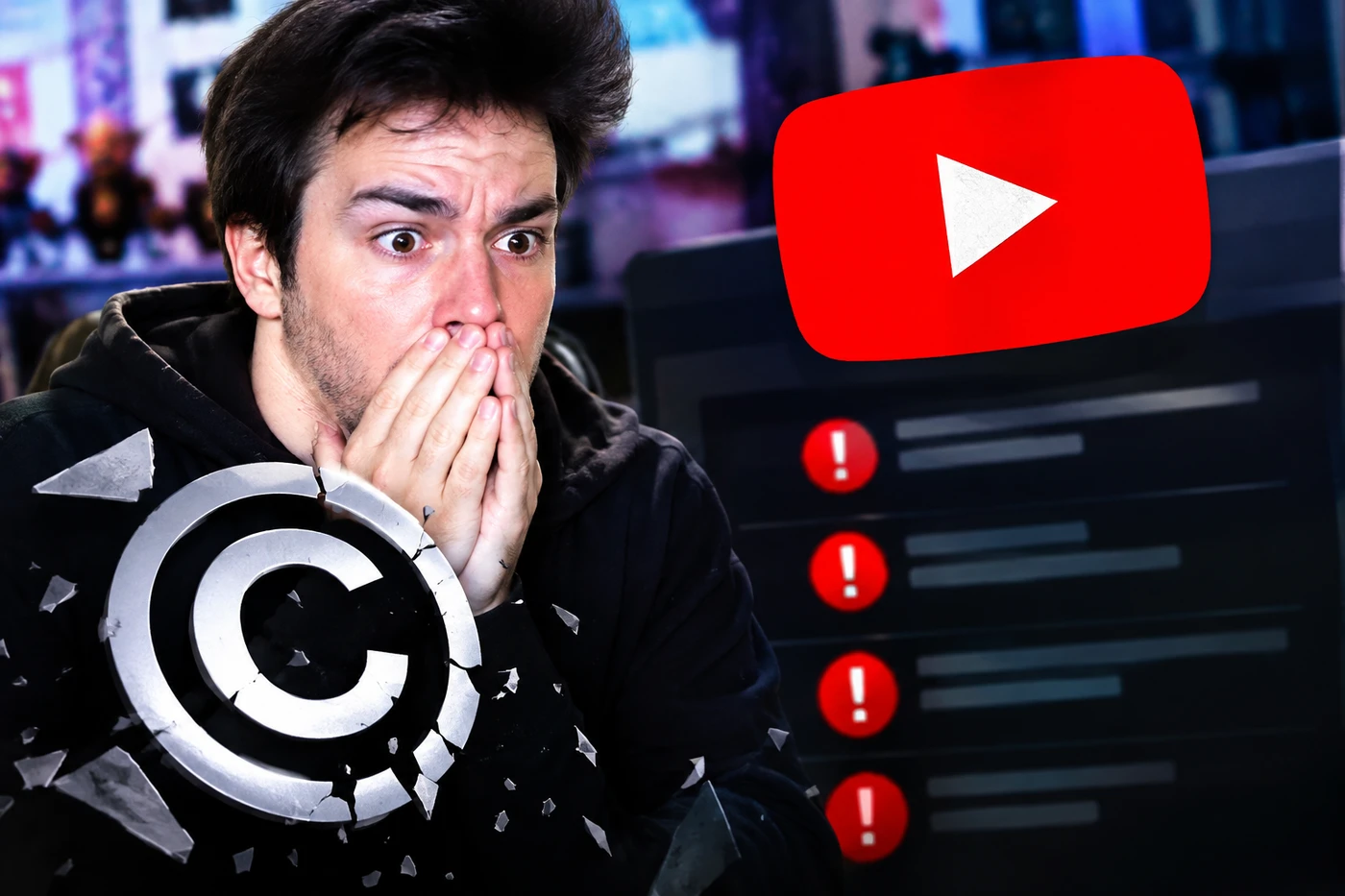
YouTube Copyright Strikes: What Nicholas Light TV's Crisis Reveals
Nicholas Light TV's crisis shows how YouTube copyright strikes can threaten a large channel, why fair use is not automatic, and what creators should back up before trouble hits.
A creator can spend six years building a channel and watch the whole thing wobble before lunch.
That's the uncomfortable lesson from Nicholas Light TV, where a burst of copyright takedowns temporarily removed more than 60 videos and put a 1.3 million-subscriber business in danger.
Sixty videos. Then panic.
In late August and early September, Nicholas Light said he received 13 copyright strikes tied to requests submitted by enforcement company Remove Your Media. Some targeted anime reaction uploads. Others, he said, hit commentary videos and posts containing no copyrighted footage.
This wasn't a normal Content ID squabble over ad revenue. Under YouTube's copyright rules1, three active strikes can put a channel - and associated channels - on the termination list. Deleting the videos doesn't magically clear them either. (support.google.com2)
By September 6, YouTube had removed the immediate strikes and told Light his channel wouldn't be deleted. More takedown notices reportedly followed, briefly disrupting monetization. By mid-September, Light said the affected videos had returned, his channels were monetized again, and the fight was over for him. (youtube.com3)
Other anime creators reported similar notices. The community split quickly: one side called it automated copyright abuse; the other pointed out that showing large chunks of paid shows with occasional commentary is hardly a risk-free business model. Remove Your Media argued that adding commentary doesn't automatically transform a near-complete episode, according to reporting on the dispute4. (45179bb5-2a1f-4bc9-a93f-f86df27a1ff5.atarimworker.io5)
Why creators should care
Light survived because he had reach, public support and access to lawyers. Smaller channels usually have an inbox, mild panic and a support form that feels like shouting into a sofa.
And "fair use" isn't a permission slip. US law weighs purpose, the type of work, how much was used and whether the upload harms the original market. Commentary can qualify. Simply talking over somebody else's episode doesn't guarantee it. The Copyright Office explains the test here6. (copyright.gov6)
Your channel isn't an archive. It's a rented storefront. Keep copies of everything behind the counter.
Your move
Back up the business. Save masters, thumbnails, descriptions, sponsor records and audience emails somewhere YouTube cannot delete.
Audit your riskiest uploads. Long uninterrupted clips, lightly edited scenes and footage that replaces the viewing experience deserve attention first. Blurring the screen isn't legal strategy. Cute trick, though.
Know the emergency route. Document every notice. Don't blindly counter everything; a counter-notification is a legal statement and exposes your contact details. Get qualified advice when the income matters.
Build one direct audience channel. Email, membership or a community you control. Because "my subscribers will find me again" is optimism wearing cheap sunglasses.
- 1support.google.comYouTube's copyright rules
- 2support.google.com
- 3youtube.com
- 4theverge.comreporting on the dispute
- 545179bb5-2a1f-4bc9-a93f-f86df27a1ff5.atarimworker.io
- 6copyright.govCopyright Office explains the test here
Discussion
Join the discussion - share what's working for your channel.